



What is a Mini Sewing Machine? Understanding Its Features and Benefits
Defining Mini Sewing Machines
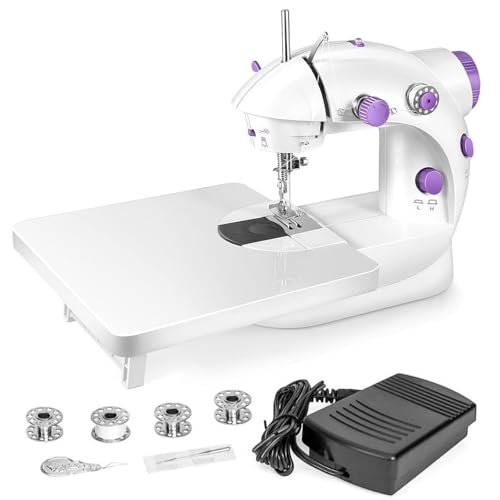
A mini sewing machine is a compact and lightweight version of a traditional sewing machine, designed for ease of use and portability. These machines are perfect for beginners, hobbyists, or those who need a quick solution for small sewing tasks. They generally feature the essentials needed to sew basic projects, making them accessible for users who may feel intimidated by larger, more complex machines.
Key Features of Mini Sewing Machines
Mini sewing machines typically come with a variety of features to accommodate different sewing preferences. Most include a sewing foot, a threading mechanism, and multiple stitch options. Some models offer a built-in needle threader, which can be a real time-saver. The ability to sew lightweight fabrics, like cotton and polyester, is common among these machines, making them suitable for projects like mending clothes or creating simple crafts.
Benefits of Using a Mini Sewing Machine
One of the most significant benefits is their portability. We can easily store a mini sewing machine in a cupboard or take it along on trips. They are also generally more affordable than their full-sized counterparts, allowing new sewists to get started without a significant investment. Additionally, these machines are often simpler to operate, making them ideal for individuals who want to quickly learn to sew without the overwhelm of technical settings.
Top Reasons to Choose a Mini Sewing Machine for Your Sewing Needs
Ideal for Beginners
For those just starting their sewing journey, a mini sewing machine is a fantastic entry point. They usually have fewer functions than full-sized machines, allowing for a simpler learning curve. You can focus on mastering the basics without getting bogged down by sophisticated features that you may not need right away.
Convenience for Small Projects
Mini sewing machines shine in their ability to tackle small projects efficiently. Whether it’s hemming a pair of trousers, creating simple pillow covers, or sewing a quick patch, these machines can handle these tasks swiftly. We can complete small alterations or repairs in a fraction of the time it would take with a larger machine.
Space Saving
In a world where space can often be at a premium, mini sewing machines are a wise choice. They are compact enough to fit into small nooks, making them perfect for those living in flats or shared accommodations. Their size also means that setting them up for use is quick and easy, reducing the hassle involved in starting a project.
Comparison of the Best Mini Sewing Machines: Key Features and Price Points
Evaluating Popular Models
When comparing mini sewing machines, it’s essential to consider several key features. Look for models that offer adjustable stitch lengths and widths, as these functionalities allow for more versatility in projects. Additionally, consider whether the machine has a foot pedal or button control: while foot pedals can provide a hands-free experience, button controls might be more accessible for beginners.
Price Range Overview
Mini sewing machines are available at various price points, typically ranging from around £30 to £100. Models on the lower end often have basic features, while those on the higher end may include additional accessories or more advanced stitching options. We should assess our budget and decide on the features that matter most to us, ensuring we get a machine that meets our needs without overspending.
How to Choose the Right Mini Sewing Machine for Your Projects
Identify Your Sewing Needs
Before making a purchase, we must consider the types of projects we plan to undertake. If our goals include sewing lightweight fabrics or performing basic alterations, most mini machines will suffice. However, if we envisage working with denim or heavier materials, we might need a more robust model that can handle these tougher fabrics.
Consider Portability and Ease of Use
If we often travel or like to sew on the go, prioritising portability is crucial. Choose a machine that is lightweight and easy to transport. Additionally, check that the machine has intuitive controls. A user-friendly design will make our sewing experience more enjoyable and less frustrating, especially as we learn.
Basic Tips for Using and Maintaining Your Mini Sewing Machine
Getting Started with Your Mini Sewing Machine
Once we have our mini sewing machine, start by familiarising ourselves with the manual. This guide will outline the machine’s specific operations and features. Practising on scrap fabric can help build our confidence and fine-tune our sewing skills before we dive into actual projects.
Maintenance for Longevity
To prolong the life of our mini sewing machine, regular maintenance is essential. This includes cleaning the machine after use, ensuring no threads are jammed in the bobbin area, and occasionally oiling moving parts according to the manufacturer’s recommendations. Keeping our machine in good condition will ensure it continues to work effectively for years to come.