


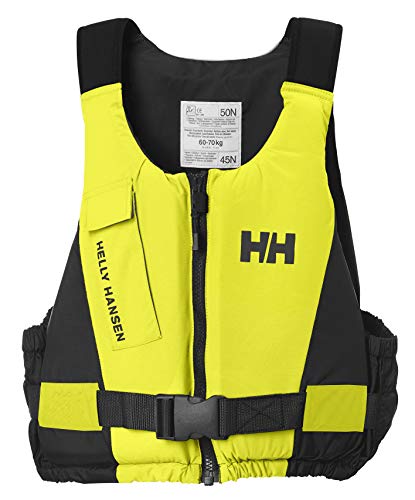
Understanding Adult Life Jackets: What You Need to Know
What is an Adult Life Jacket?
An adult life jacket, also known as a personal flotation device (PFD), is designed to keep individuals afloat in water, providing vital safety whether you are boating, swimming, or engaging in other water activities. It’s essential to understand that different life jackets serve different purposes, primarily dictated by the activity you plan to undertake. PFDs come in various styles and classifications, and getting familiar with these can significantly enhance your safety on or near water.
Why You Need a Life Jacket
The importance of wearing a life jacket cannot be overstated. In unexpected situations, such as sudden capsizing of a boat or falling overboard, a life jacket can be the difference between life and death. Even strong swimmers can struggle in rough waters, making it essential to have a reliable PFD that fits well and is suited for the activity you are pursuing.
Types of Adult Life Jackets: Choosing the Right Fit for Your Activities
Coast Guard Approved Types
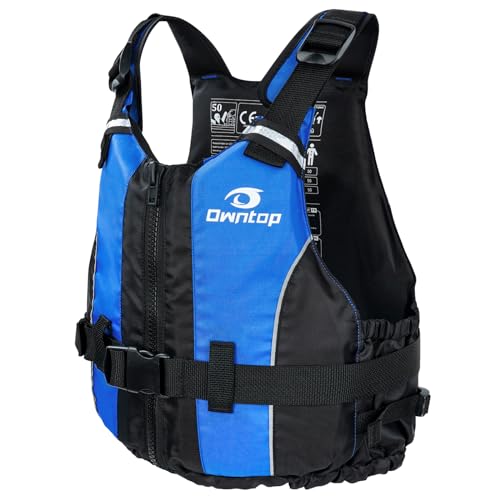
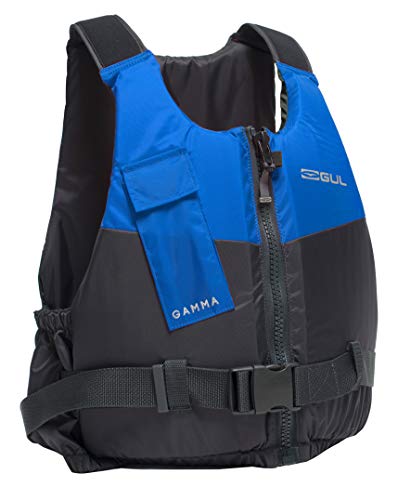
Life jackets are categorized based on their intended use and buoyancy. For instance, Type I life jackets offer the highest level of buoyancy and are ideal for offshore use, as they are designed to turn an unconscious person face up in the water. Type II jackets are suitable for near-shore activities where quick rescue is possible, while Type III jackets are designed for various activities such as kayaking and sailing, providing comfort and ease of movement.
Activity-Specific Designs
Depending on what you plan to do, you’ll want to consider designs tailored to your activities. For example, a fishing vest with built-in floatation can be more convenient for anglers who need to access gear quickly, while a storable jacket for kayakers allows for better flexibility when paddling. Identifying your primary activities will guide you towards the most suitable life jacket style.
Key Features to Look For: Safety Elements and Comfort
Safety Features
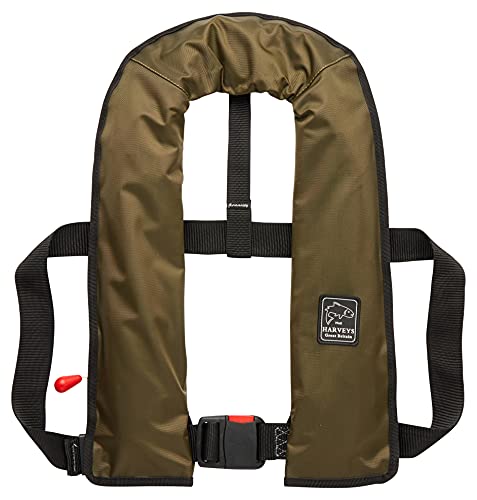
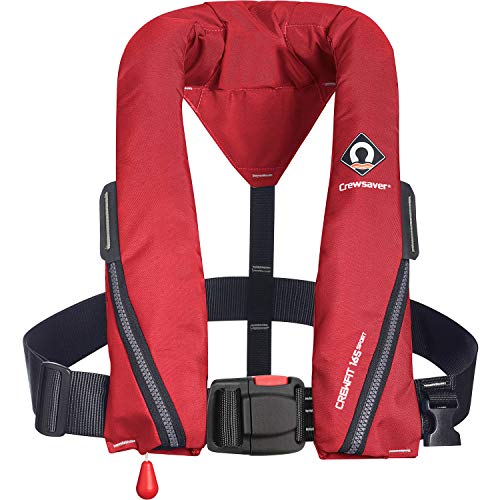
When we assess life jackets, we should prioritise safety features that enhance overall effectiveness. Look for PFDs with reflective strips for visibility in low light; some also come with additional safety whistles or light attachments. A manually inflated jacket might suit those who prefer a combination of comfort and the assurance of having extra buoyancy when needed.
Comfort and Fit
Comfort is paramount since a well-fitted life jacket encourages you to wear it consistently. Look for adjustable straps and different sizes to ensure a snug fit. Lightweight materials and breathable fabrics also make a big difference for prolonged use, especially during warmer weather. Remember, the right jacket should allow for easy movement and not feel constricting.
Tips for Proper Care and Maintenance of Your Life Jacket
Regular Inspection
After you’ve chosen the perfect life jacket, it’s crucial to maintain it properly. Regularly inspect your life jacket for any signs of wear and tear, including fraying straps or fading fabric, as these can compromise its integrity. Freshwater rinsing after each use can prolong its life, while avoiding prolonged exposure to the sun can prevent degradation of materials.
Storing Your Life Jacket
Proper storage is also key to ensuring your life jacket remains in good condition. Store it in a cool, dry place away from direct sunlight and moisture, ideally hanging or laid flat rather than crammed in a tight space. Always check it before using it again, especially if it has been stored away for an extended period.