



Understanding Rangefinder Hunting: What You Need to Know
What Is a Rangefinder?
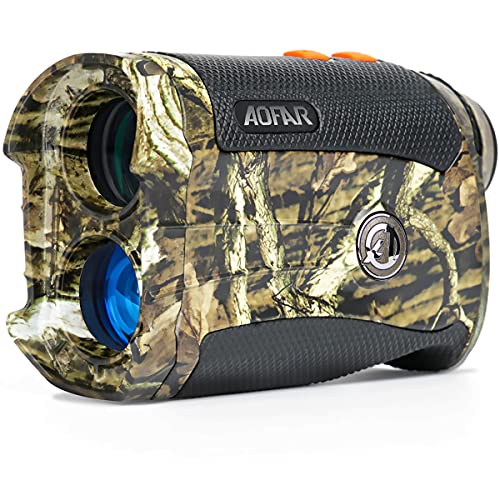
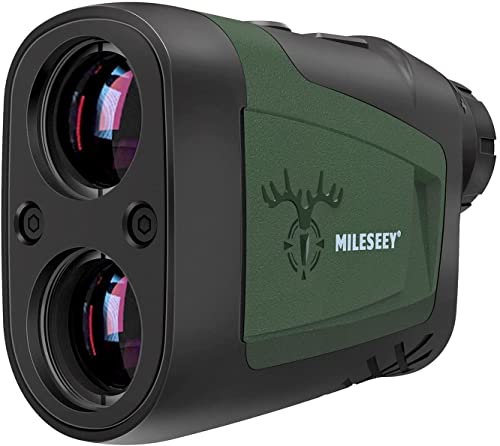
A rangefinder is a device used to measure the distance between you and a target, which is crucial in hunting. Imagine you’re in a dense forest, and you spot a deer far away; a rangefinder helps you determine exactly how far away it is, enabling you to make a more accurate shot. Without this gear, you might miss your target simply because you misjudged the distance.
Why Is Distance Measurement Important?
Knowing the exact distance to your target is vital for effective shooting. Every firearm and bow has a specified range where it performs best. If you’re aiming at a deer without knowing how far it truly is, your shot could go way over or under the mark. Rangefinders eliminate this guesswork, giving you the confidence to take accurate shots.
The Benefits of Using a Rangefinder
Using a rangefinder not only increases your accuracy but also boosts your confidence as a hunter. Imagine eliminating the anxiety of wondering if you can hit the target. Many rangefinders come equipped with features that can also calculate angles and provide ballistic data, making them incredibly versatile tools.
Considerations for New Hunters
For newcomers, a rangefinder can seem daunting. However, understanding its importance in the field can significantly enhance your hunting experience. Don’t be intimidated by technology; we recommend starting with a user-friendly model that suits your needs and budget.
Key Features to Look for in a Rangefinder
Accuracy Matters
The primary feature we need to consider is accuracy. Look for a rangefinder that provides precise measurements, typically within one yard. An accurate rangefinder ensures that when you’re aiming at a target, you can trust the distance displayed.
Magnification for Clearer Views
Another essential feature is magnification. Ideally, a rangefinder should have at least 5x magnification, allowing you to see distant targets more clearly, especially in thick vegetation or low light conditions. This is particularly handy when you’re trying to spot and assess your quarry.
Durability and Weather Resistance
Rangefinders are often used in various weather conditions. Therefore, choosing a model that is durable and weather-resistant is a must. Look for devices with a robust casing that can withstand drops and exposure to the elements.
Ease of Operation
If you’re out in the field, simplicity is key. A rangefinder with straightforward controls will help you focus on your hunt rather than fiddling with complicated settings. We recommend models that feature intuitive buttons and displays that are easy to read, even in bright sunlight.
Types of Rangefinders: Which One is Right for You?
Optical Rangefinders
Optical rangefinders work on the principle of triangulation, relying on your vision for distance measurement. They are typically lightweight and affordable but require some experience to use correctly. If you’re just starting out, consider one of these, as they can be quite user-friendly.
Laser Rangefinders
Laser rangefinders are the most popular among seasoned hunters thanks to their accuracy and ease of use. They use a laser beam to measure distance directly, providing quick and reliable readouts. If you’re looking for precision in your results, a laser rangefinder will be your best choice.
GPS Rangefinders
For those who not only hunt but also explore, GPS rangefinders offer a dual function. They provide distance readings while also helping with navigation. However, they can be bulkier and pricier, making them more suitable for serious hunters who will benefit from the extra features.
How to Use a Rangefinder for Hunting Success
Taking Measurements
To achieve success with a rangefinder, first, ensure it’s turned on and your settings are correct. Aim the device at your target, press the button to emit a laser, and wait for the display to show the distance. Practice this a few times before your hunting trip until you feel comfortable with the process.
Adjusting for Angles
If you’re in hilly terrain, consider using a rangefinder with angle compensation. This feature compensates for elevation changes by adjusting the range reading. So, if you’re hunting from an elevated position, you’ll receive an accurate distance that takes the slope into account.
Making Your Shot Count
Once you’ve measured the distance and made any necessary adjustments for wind or angle, focus on your shot placement. Knowing the range transforms your ability to make an accurate and ethical shot, ensuring a clean kill.
Top Picks for Rangefinder Hunting: Our Expert Recommendations
Budget-Friendly Option
For those just getting into rangefinder hunting, we recommend a model that balances quality and affordability. Look for features such as accuracy within one yard, decent magnification, and a simple interface. A good entry-level option can give you a taste of the technology without breaking the bank.
Best Mid-Range Choice
If you’re ready to invest a little more, consider a mid-range laser rangefinder that includes angle compensation and an ergonomic design for easy handling. Such models will offer reliable readings, varied range options, and durability for long-term use.
Premium Performance Pick
For serious hunters who need top-notch performance, we suggest a premium rangefinder with advanced features. Look for models equipped with high-quality optics, range finding over long distances, and Bluetooth connectivity for added features like sharing data with your smartphone.