
Understanding 165/70 R14 All-Season Tyres: What You Need to Know
What Does 165/70 R14 Mean?
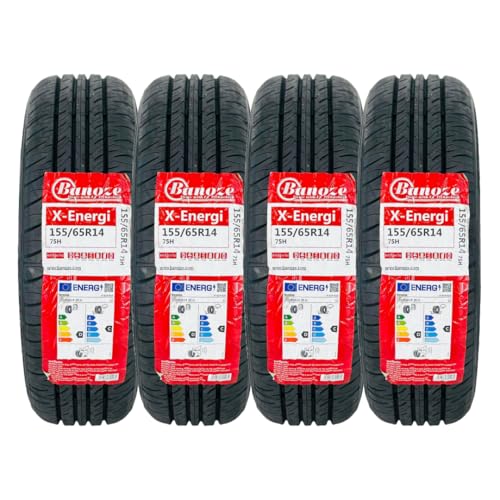
When we talk about 165/70 R14 tyres, we’re referring to a specific size and type of tyre. The ‘165’ indicates the width of the tyre in millimetres. A wider tyre may give better grip on the road, but the right width depends on your vehicle and driving needs. The ’70’ is the aspect ratio, which stands for the height of the sidewall as a percentage of the width. In this case, it means the sidewall height is 70% of the width. The ‘R’ denotes that it’s a radial tyre, which is the most common construction type today. Lastly, ’14’ signifies the diameter of the wheel the tyre will fit, measured in inches. Understanding these specifications helps you choose the right tyre for optimal performance.
Benefits of All-Season Tyres
All-season tyres, like the 165/70 R14, offer a balanced performance across different weather conditions. They provide decent handling on wet and dry roads, making them a versatile choice for drivers who face varying climates. With a tread pattern that accommodates both snow and rain, these tyres are designed to avoid the hassle of switching between winter and summer tyres. This means less maintenance for us while still being able to drive confidently throughout the year.
Key Features to Look For in Your Tyres
Tread Design and Depth
One of the most critical factors in tyre performance is tread design. All-season tyres feature a unique tread pattern that balances traction and comfort. Look for tyres with grooves that effectively channel water away, reducing the risk of aquaplaning. Additionally, tread depth is essential; deeper treads generally offer better traction, especially in wet or snowy conditions.
Durability and Warranty
Durability matters when it comes to tyres, as we want them to withstand the wear and tear of daily driving. Check for quality materials used in their construction. A good warranty can be an indicator of a tyre’s lasting power, reflecting the manufacturer’s confidence in their product.
Noise Level
Driving comfort can be significantly affected by the noise level generated by the tyres. Many all-season tyres are designed to minimise road noise. When testing tyres, listen for differences in sound; quieter tyres can contribute to a more pleasant driving experience, especially on long journeys.
How to Choose the Right All-Season Tyres for Your Vehicle
Consider Your Driving Conditions
Think about the typical driving conditions you encounter. If you primarily drive in urban areas or on well-maintained roads, the 165/70 R14 tyres may suit you perfectly. However, if you live in a region with harsh winters or frequently encounter rough terrain, consider tyres specifically designed to handle those conditions.
Vehicle Compatibility and Load Index
Checking vehicle compatibility is crucial. Ensure that the 165/70 R14 size matches your vehicle’s specifications. Each vehicle also has a load index that indicates how much weight each tyre can safely carry. We need to choose tyres that meet or exceed the load requirements for our cars to ensure safety and performance.
Lifestyle and Driving Style
Our lifestyle also influences our tyre choice. If we have a more aggressive driving style or take frequent long trips, we may want to invest in higher-end tyres that can provide improved performance and safety. Conversely, if we mostly run errands around town, budget-friendly options will suffice.
Comparing Top Brands: Which Tyres Offer the Best Value?
Identifying Prominent Brands
When it comes to purchasing tyres, brand reputation can play a significant role. Well-known brands often invest heavily in research and development for improved performance. Consider brands that have good reviews and a solid history of reliability.
Value Versus Price
While it can be tempting to go for the cheapest option, we should evaluate the value the tyre offers in terms of longevity, performance, and warranty support. A slightly higher investment in a reliable tyre may save us money in the long run through reduced wear and fewer replacements.
Reading User Reviews
User reviews can provide real-world insight that often reflects the tyre performance better than manufacturer descriptions. By taking the time to read what other drivers have experienced, we can make a more informed decision that matches our needs.
Maintaining Your All-Season Tyres for Maximum Longevity
Regular Inspections
To ensure our tyres last as long as possible, we need to conduct regular inspections. Check for signs of uneven wear, cracks, or any embedded objects that could cause a puncture. Keeping an eye on our tyres can help identify issues early.
Proper Inflation
Maintaining proper tyre pressure is vital for both performance and longevity. Under-inflated tyres can lead to increased wear and reduced fuel efficiency. We can find the recommended pressure in our vehicle’s manual or on a sticker located inside the driver’s door.
Rotation and Alignment
Tyre rotation and wheel alignment are essential practices that help extend the life of all-season tyres. Rotating tyres helps ensure even wear, while proper alignment prevents premature degradation. Following these practices will keep our tyres performing their best for longer.