




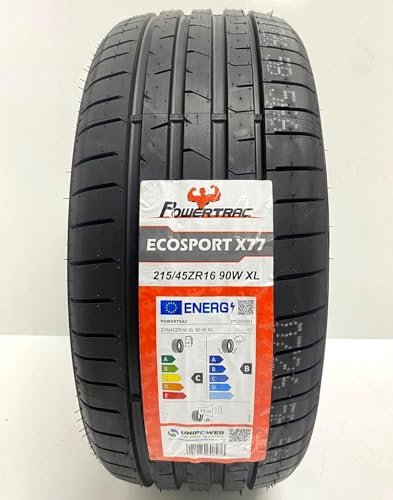
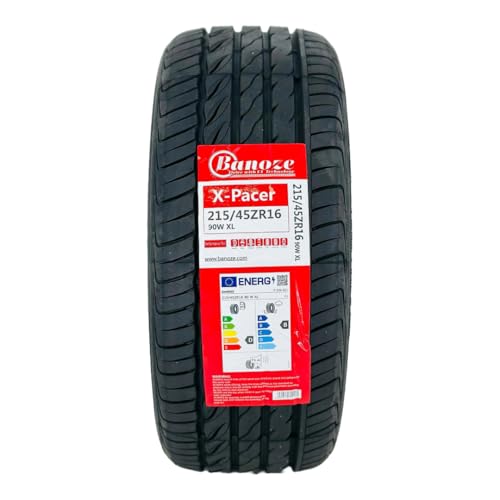
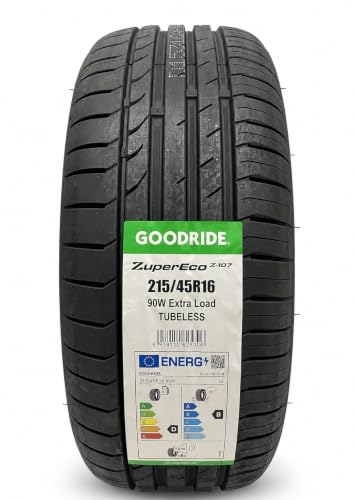
Understanding 215/45 R16 Summer Tyres: What Do the Numbers Mean?
Breaking Down the Numbers
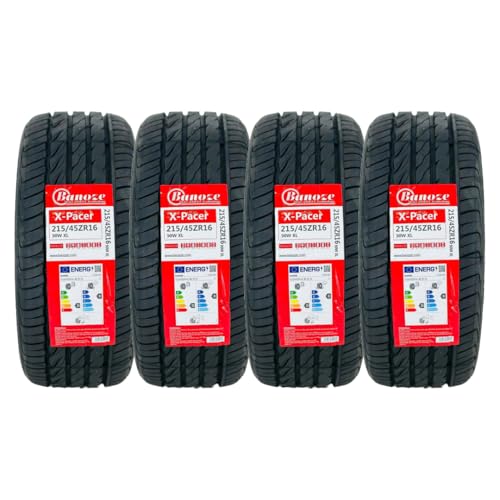
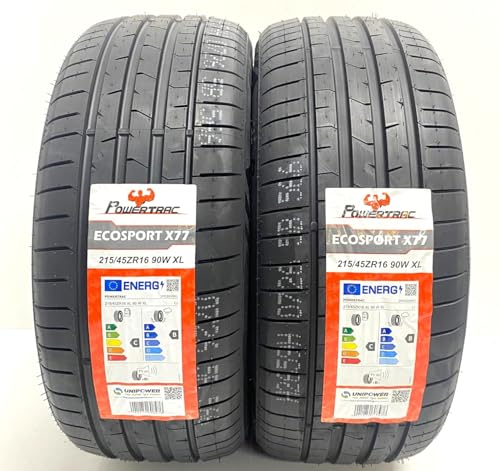
When we talk about 215/45 R16 summer tyres, each part of this number tells us something specific about the tyre. The ‘215’ refers to the width of the tyre in millimetres, which is the distance from one sidewall to the other. This width plays a crucial role in how your vehicle handles on the road, providing grip and stability. Moving onto ’45’, this number suggests the aspect ratio, which is the height of the sidewall expressed as a percentage of the tyre’s width. In this case, the sidewall height is 45% of the width, which affects ride comfort and handling. Lastly, ‘R16’ indicates that these are radial tyres and shows the diameter of the wheel rim in inches that the tyre is compatible with. Understanding these numbers helps us choose the right tyres for our vehicle, ensuring better performance and safety.
Importance of Tyre Specifications
Knowing what the numbers mean is just as important as choosing tyres that fit our vehicles correctly. When selecting 215/45 R16 summer tyres, we ensure they fit our specific wheel size while providing the desired balance of handling and comfort. Mismatched tyres can lead to performance issues, affecting everything from fuel efficiency to your ability to safely navigate turns.
Benefits of Choosing Summer Tyres for Your Vehicle
Enhanced Performance in Warm Weather
Summer tyres, including the 215/45 R16 variety, are specifically designed for optimal performance when temperatures rise. They are made from a rubber compound that remains flexible in warmer conditions, enhancing grip on both dry and wet roads, and giving us confidence in our control as we drive. When we switch to summer tyres, we often notice an improvement in braking distances and cornering precision, making our journeys smoother.
Fuel Efficiency
Another advantage of summer tyres is their ability to offer better fuel efficiency compared to all-season or winter tyres. This efficiency comes from their construction and tread design, which reduce rolling resistance. As a result, over time, we might find ourselves spending less on fuel, which is beneficial for our wallets as well as for the environment.
Key Features to Look for in 215/45 R16 Summer Tyres
Tread Design
One of the most critical factors when selecting 215/45 R16 summer tyres is the tread design. Summer tyres typically feature a shallow tread depth with fewer grooves compared to winter tyres. This design enhances contact with the road surface, improving grip and handling. Look for tyres with wider channels to help evacuate water, which aids in reducing the risk of aquaplaning.
Compound Quality
The quality of the rubber compound also plays a significant role in the performance of summer tyres. Higher-quality compounds can provide better grip and handling, especially in warm conditions. As we explore options, it’s wise to choose tyres that mention advanced rubber technology for enhanced performance.
Ideal Weather Conditions for Summer Tyres
Optimal Temperature Range
Summer tyres shine when temperatures are consistently above 7°C. Below this temperature, the rubber can harden, resulting in decreased grip and safety. So, if we are in a region where summer extends into autumn with mild temperatures, these tyres remain effective.
Navigating Rainy Weather
While summer tyres are not designed for snowy or icy conditions, they perform adequately in moderate rain. The tread patterns help channel water away from the contact surface; however, we still need to drive cautiously during heavy downpours as the risk of hydroplaning increases with speed.
How to Maintain Your Summer Tyres for Longevity
Routine Checks
To ensure our 215/45 R16 summer tyres last as long as possible, we should perform regular checks on air pressure and tread depth. Maintaining the correct air pressure not only ensures optimal performance but also helps in preventing uneven wear. Checking tread depth with a gauge or the coin method can keep us informed about when it’s time to replace our tyres.
Proper Storage
If we live in an area that experiences significant temperature changes between seasons, proper storage when our summer tyres are not in use is crucial. Keeping them in a cool, dry place away from direct sunlight can prevent the rubber from deteriorating, extending the lifespan of our investment.